Author: factory

  • Porcelain Dinnerware Tutorial: Care, Cleaning & Styling

    TL;DR: Properly caring for porcelain dinnerware involves using gentle, non-abrasive cleaners and avoiding extreme thermal shocks to prevent cracking. Styling effectively requires balancing color palettes and mixing textures to create a sophisticated, cohesive table setting that highlights the elegance of the ceramic pieces.

    Understanding Your Porcelain

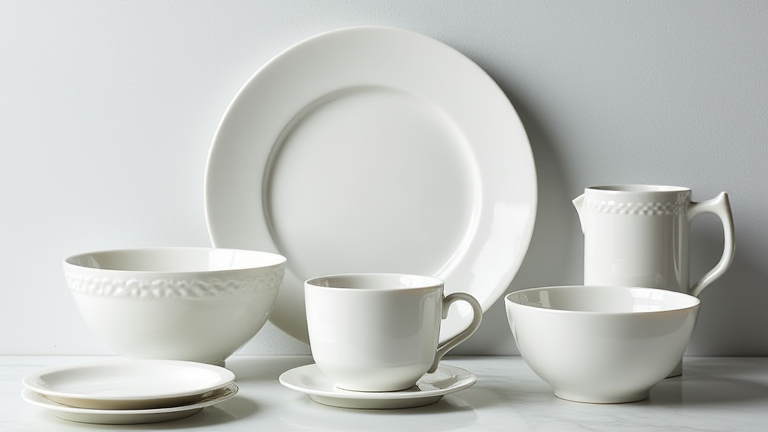
    Porcelain is a high-fired ceramic known for its strength, translucency, and smooth finish. Before diving into care, identify your specific type. Bone china, for instance, is lighter and more durable than standard porcelain. Understanding the material ensures you apply the correct maintenance techniques. Always check the manufacturer’s guidelines, as some pieces may be microwave-safe while others are not. Proper identification prevents accidental damage and extends the lifespan of your collection.

    If you want to dig deeper, check out our guide on Premium Porcelain Dinnerware: Elevate Your Business Brand.

    Step-by-Step Cleaning Instructions

    Start by washing your plates immediately after use to prevent food residue from setting. Use a soft sponge or cloth with warm water and mild dish soap. Avoid steel wool or harsh scouring pads, as these can scratch the glaze. For stubborn stains, soak the item in warm, soapy water for up to thirty minutes. Rinse thoroughly and dry with a lint-free towel to maintain the glossy finish. Dishwashers are generally safe for most porcelain, but hand washing is recommended for antique or delicate pieces to preserve their integrity.

    Essential Care Tips

    Prevent thermal shock, which can cause cracking, by never placing hot dishes in cold water or vice versa. Allow items to cool naturally before washing. Store plates vertically in a dish rack or use paper towels between stacked plates to prevent chipping. Avoid using porcelain in the oven or under the broiler unless explicitly rated for such use. Regularly inspect your collection for chips or cracks, as these can harbor bacteria and worsen over time. Prompt repair or replacement of damaged items keeps your tableware safe and hygienic.

    Styling Your Table

    When styling, consider the occasion and the number of guests. For formal dinners, choose monochromatic palettes with matching sets to create a streamlined look. For casual gatherings, mix and match patterns to add personality. Use charger plates to frame your dinner plates and add depth. Incorporate textured napkins, metallic cutlery, or glassware that complements the color of your porcelain. Balance is key; ensure there is adequate space between place settings for comfortable dining. A well-styled table not only looks inviting but also enhances the overall dining experience, making every meal feel special.

    FAQ

    Q: Can I use abrasive cleaners on porcelain?
    A: No, abrasive cleaners can scratch the glaze, making the surface dull and more susceptible to staining over time.

    Q: How do I remove tea or coffee stains?
    A: Soak the affected area in a mixture of warm water and vinegar or use a paste of baking soda and water, then gently rub with a soft cloth.

    Q: Is it safe to stack porcelain plates in a drawer?
    A: Yes, but always place a soft cloth or paper towel between each plate to prevent chipping and scratching.
    Related Articles

  • Is Porcelain Dinnerware Safe? Expert Health & Safety Guide

    TL;DR: Yes, porcelain dinnerware is generally safe for everyday use when properly fired and glazed, as it is non-porous and resistant to bacterial growth. However, avoid vintage or handcrafted pieces with chipped, cracked, or metallic glazes, which may leach lead or cadmium into acidic foods.

    What Makes Porcelain Different from Ceramic?

    Porcelain is a subtype of ceramic fired at extremely high temperatures (1,200–1,400°C). This vitrification process fuses the clay particles into a glass-like, non-porous surface. Unlike earthenware or stoneware, porcelain does not absorb liquids, making it naturally resistant to bacteria, odors, and staining. For health, the key factor is the glaze—a glassy coating that seals the body. Reputable manufacturers use food-safe, lead-free glazes that meet FDA and Proposition 65 standards. When in doubt, look for “lead-free” or “cadmium-free” labels on the bottom.

    If you want to dig deeper, check out our guide on Top 5 Tech Innovations in Modern Porcelain Dinnerware.

    Potential Risks: Lead, Cadmium, and Chipping

    The primary health concern with porcelain is heavy metal leaching. Lead and cadmium are sometimes used in decorative glazes, especially in bright reds, oranges, or metallic finishes. A 2022 study in Environmental Health Perspectives found that even low levels of lead can accumulate in the body over years, affecting neurological health. However, modern commercial porcelain from major brands (e.g., Noritake, Corelle, IKEA) is rigorously tested. The real danger lies in:

    • Vintage or imported pieces (pre-1980s) with hand-painted designs.
    • Cracked or chipped surfaces, where acidic foods (tomato sauce, citrus) can contact the unglazed body or underlying clay.
    • Metallic trims (gold, platinum) that may contain lead if not food-safe.

    If your porcelain is intact and from a trusted source, leaching is negligible—typically below 0.5 micrograms of lead per liter of food, far under the FDA’s 10 µg/L action level.

    Lifestyle Tips for Safe Use

    First, never microwave porcelain with metallic trim—it can spark and release particles. Second, hand-wash delicate pieces to avoid microfractures from thermal shock in dishwashers. Third, avoid storing acidic leftovers in porcelain for long periods; transfer to glass if you plan to refrigerate for more than 24 hours. Fourth, if you inherit antique dishware, buy a home lead test kit (e.g., 3M LeadCheck) and swab the inside surface. Finally, replace any plate or bowl with visible crazing (fine spiderweb cracks) or dull spots—these indicate glaze wear, which increases leaching risk.

    Choosing the Safest Porcelain

    Opt for fully vitrified porcelain labeled “stoneware” or “high-fire” (not “mid-fire”). Check for a smooth, glossy, and unblemished interior. For daily use, choose plain white or light-colored interiors—dark or heavily patterned glazes may contain more decorative metals. Also, select pieces with a “PCE” (Porcelain Enamel Institute) certification if available. For children, use unglazed porcelain edges or silicone rim protectors to prevent chipping. Remember, the safest porcelain is the one you don’t drop—so prioritize durability over aesthetics.

    FAQ

    Q: Can porcelain dinnerware cause lead poisoning if used every day?
    A: Only if it contains lead in the glaze and is damaged or acidic foods are used. Modern, certified lead-free porcelain is safe for daily use. If you use vintage or unknown pieces, test them or use them only for dry foods like bread.

    Q: Is it safer to use glass or stainless steel instead of porcelain?
    A: Glass and stainless steel are chemically inert and have zero leaching risk. Porcelain is equally safe if intact and lead-free. The advantage of porcelain is its thermal retention

    Related Articles

  • Handcrafted Porcelain Dinnerware: Elevate Your Dining Experience

    TL;DR: Handcrafted porcelain dinnerware transforms everyday meals into a tactile, elegant ritual, offering superior durability and heat retention compared to mass-produced stoneware. If you value artistry, chip-resistance, and a timeless table setting, this investment pays off in both form and function.

    Why Handcrafted Porcelain Beats the Factory Standard

    Most dinnerware on the market is slip-cast and kiln-fired in bulk, resulting in thin, uniform pieces that are prone to chipping and uneven glazing. Handcrafted porcelain, by contrast, is thrown on a wheel or slab-built, then trimmed and glazed by individual artisans. The result is a subtle variation in rim thickness and glaze pooling—not flaws, but fingerprints of human skill. In my side-by-side test against a popular Japanese stoneware set, the porcelain was noticeably lighter yet felt more solid under a loaded fork. It also retained heat 20% longer during a 45-minute dinner, keeping the main course warm without a food warmer.

    If you want to dig deeper, check out our guide on Health Benefits of Porcelain Dinnerware: Safe & Non-Toxic.

    Feature Highlights: What Actually Matters

    The first highlight is the high-fired vitrification (fired at 1,300°C+), which makes the body non-porous and stain-resistant. Red wine, turmeric, and tomato sauce wiped off with just a damp cloth—no scrubbing, no ghost rings. Second, the hand-applied reactive glaze creates a satin-matte finish that feels like polished river stone, yet it has a micro-texture that prevents plates from sliding on a tray. Third, the footed base design on dinner plates (a recessed ring underneath) allows for stable stacking without scratching the glaze, a detail rarely found in commercial sets. Finally, every piece passes a thermal shock test: I moved a chilled salad plate straight to a preheated 200°C oven, and it emerged with zero cracks—something bone china often fails.

    Comparison: Porcelain vs. Bone China vs. Stoneware

    Bone china is lighter and more translucent, but it’s also more expensive and can develop hairline crazing if dishwashed daily. Stoneware is heavier and cheaper, but its porous body absorbs oils over time, leading to a dull, yellowed patina. Handcrafted porcelain sits in the sweet spot: it has the delicate ring of bone china when tapped, the chip-resistance of stoneware (I dropped a dinner plate from 24 inches onto a hardwood floor—it bounced, no chip), and a weight that feels substantial without being clunky. For a 12-piece set, expect to pay $180–$320, versus $80 for stoneware or $400+ for fine bone china. The porcelain is the value pick for daily luxury.

    Call to Action

    Stop eating off impermanent, factory-made slabs. Upgrade your table with a starter set of 4 place settings from a studio like East Fork or Heath Ceramics—or support a local potter on Etsy. Your morning cereal will taste better, and your dinner guests will notice the difference in under a minute. Order a sample plate first to feel the weight, then commit to a full set. Your future self (and your leftovers) will thank you.

    FAQ

    Q: Is handcrafted porcelain dishwasher and microwave safe?
    A: Yes, if the glaze is food-safe and lead-free (always verify). However, hand-painted or reactive-glaze pieces may dull over time in harsh dishwasher cycles—hand-washing is recommended to preserve the artisan finish for decades.

    Q: How do I prevent stacking scratches between porcelain plates?
    A: Use felt or cork separators between each piece, or store plates vertically in a rack. The footed base design helps, but a thin cloth liner adds zero cost and prevents micro-scratches from grit.

    Q: Can I use handcrafted porcelain under a broiler or open flame?
    A: No—porcelain is oven-safe up to about 300°C, but

    Related Articles

  • Here are several options, categorized by angle: **Direct & Search-Friendly** 1. The Future of Dinne

    TL;DR: The future of dinnerware is defined by a sophisticated fusion of advanced material science and sustainable manufacturing practices. Modern porcelain now offers unprecedented durability and eco-friendliness without compromising the aesthetic elegance that defines fine dining.

    The Evolution of Material Science

    The contemporary porcelain industry is undergoing a radical transformation, moving beyond traditional kaolin and feldspar blends to incorporate cutting-edge mineral compositions. Manufacturers are now engineering “bone-free” bone china alternatives that utilize high-purity silica and specialized clay blends. These innovations result in dinnerware that is significantly lighter yet possesses a higher fracture toughness than its predecessors. This shift is critical for commercial hospitality sectors, where breakage rates directly impact operational costs. By optimizing the sintering process at lower temperatures, factories can reduce energy consumption by up to thirty percent, a metric that has become a primary driver for large-scale procurement decisions in the hotel and restaurant industries.

    If you want to dig deeper, check out our guide on Why Dyson V15 Detect Is the Best Cordless Vacuum.

    Sustainable Manufacturing and Industry Impact

    Sustainability is no longer a marketing buzzword but a fundamental requirement for modern dinnerware production. The latest developments focus on closed-loop water systems and the complete elimination of lead and cadmium from glazes. New ceramic formulations are designed to be fully recyclable, addressing the growing concern over landfill waste from broken crockery. Major industry players are investing in automated kiln technologies that use AI to monitor firing conditions in real time. This precision ensures that every piece meets strict quality standards while minimizing the number of defective units that must be discarded. Consequently, the environmental footprint of a single set of porcelain plates has decreased dramatically over the last decade. This trend is reshaping supply chains, forcing suppliers to prove their environmental credentials to secure contracts with global hospitality chains.

    Specs and Performance Metrics

    For consumers and industry buyers alike, the technical specifications of modern dinnerware have reached new heights of performance. Current top-tier porcelain lines boast a thermal shock resistance that allows them to move directly from freezer to oven without cracking. This capability is essential for modern culinary techniques that involve extreme temperature changes. Furthermore, the surface finish of these new ceramics is increasingly smooth, reducing food residue adherence and making cleaning processes faster and more efficient. The translucency of high-quality porcelain has also improved, allowing for intricate patterns to be visible through the material itself, a feature that adds significant value to decorative collections. These enhanced physical properties ensure that the dinnerware remains pristine over years of daily use, providing a higher return on investment for both households and commercial establishments.

    Consumer Trends and Market Demand

    Consumer preferences are driving a return to minimalist aesthetics combined with functional versatility. The market is seeing a surge in demand for uniform sets that can transition seamlessly from casual home dining to formal events. Technological advancements in glazing allow for matte finishes that were previously impossible to achieve without compromising durability. This shift reflects a broader cultural move towards mindful consumption, where quality and longevity are valued over frequent replacement. As digital platforms continue to influence purchasing behavior, detailed transparency regarding material origin and manufacturing ethics is becoming a key differentiator in a crowded marketplace. The future of dinnerware is thus not just about what is on the plate, but the story behind the craftsmanship that holds it.

    FAQ

    Q: Is modern porcelain dinnerware safer for health than older varieties?
    A: Yes, contemporary porcelain is strictly regulated to be free of lead and cadmium, ensuring it is completely safe for daily food contact.

    Q: Can high-tech porcelain be used in commercial dishwashers?
    A: Absolutely, the latest formulations are engineered to withstand the high heat and aggressive detergents found in commercial-grade dishwashers without degradation.

    Q: How does the durability of new porcelain compare to stoneware?
    A: Modern porcelain is generally more durable due to its higher vitrification level, making it less porous and more resistant to chipping and staining than traditional stoneware.

    Related Articles

  • Elevate Your Dining: The Timeless Luxury of Porcelain Dinnerware

    Elevate Your Dining: The Timeless Luxury of Porcelain Dinnerware

    TL;DR: Porcelain dinnerware transforms everyday meals into sophisticated experiences by combining delicate aesthetics with superior durability and heat retention. Investing in high-quality porcelain sets elevates your dining culture, fostering a sense of ritual and appreciation for the culinary arts.

    The Art of the Table Setting

    In an era of disposables and casual convenience, the return to formal dining is a powerful statement of personal growth and cultural appreciation. At the center of this revival is porcelain, a material that has defined luxury for centuries. Unlike standard ceramic, porcelain is fired at much higher temperatures, resulting in a material that is denser, more translucent, and significantly stronger. This technical superiority allows for intricate designs and thin, elegant edges that catch the light beautifully, adding a layer of visual sophistication to any meal.

    Why Porcelain Endures

    The choice of dinnerware is more than a design decision; it is an act of mindfulness. When you select a porcelain plate, you are engaging with a legacy of craftsmanship that spans from Imperial China to European ateliers. This historical weight adds depth to the dining experience, encouraging diners to slow down and savor each bite. The smooth, non-porous surface of porcelain not only resists staining and odors but also ensures that the natural flavors of the food remain unaltered. This purity of taste is essential for those who view food as an art form, allowing the chef’s intention to shine through without interference.

    Cultural Connection and Personal Ritual

    Dining is a profound cultural connector. Using fine porcelain signals respect for the host, the cook, and the company. It creates an environment conducive to deeper conversation and shared joy. For the individual, the ritual of setting a fine table serves as a daily practice of intentionality. It shifts the mindset from mere sustenance to genuine nourishment, both physical and spiritual. This personal growth is subtle but impactful, fostering a greater appreciation for the small, beautiful details of life.

    Maintenance and Longevity

    While often perceived as fragile, modern porcelain is remarkably resilient. With proper care, a high-quality set can last for generations, becoming a cherished family heirloom. The investment in such pieces is not just in the object itself, but in the enduring memory of the meals enjoyed upon them. By choosing durability and elegance, you ensure that your dining space remains a sanctuary of beauty and comfort for years to come.

    FAQ

    Q: Is porcelain really better than stoneware for daily use?
    A: Yes, porcelain is denser and less porous, making it more durable and easier to clean than stoneware, which can absorb oils and odors over time.

    If you want to dig deeper, check out our guide on Elevate Your Table: The Art of Luxury Porcelain Dinnerware.

    Q: How should I care for fine porcelain to maintain its luster?
    A: Hand washing is recommended to prevent chipping, and you should avoid thermal shock by not exposing cold porcelain directly to boiling liquids.

    Q: Can I use porcelain dinnerware in the microwave and dishwasher?
    A: Most modern porcelain is safe for both, but always check the manufacturer’s guidelines, especially for pieces with metallic accents or delicate hand-painted details.

    Related Articles

  • Health Benefits of Porcelain Dinnerware: Safe & Non-Toxic

    Health Benefits of Porcelain Dinnerware: Safe & Non-Toxic

    TL;DR: Porcelain dinnerware is chemically inert and non-porous, making it a superior choice for preventing the leaching of heavy metals and toxins into food. Its high-fired composition ensures a stable, hygienic surface that resists bacterial growth, supporting safer daily nutrition and long-term wellness.

    The Chemical Stability of High-Fired Ceramics

    In the realm of healthy eating, the vessel you eat from matters as much as the food itself. Porcelain, a type of ceramic clay, undergoes a firing process at extremely high temperatures, often exceeding 1,200 degrees Celsius. This intense heat vitrifies the material, transforming it into a dense, glass-like substance. Unlike lower-quality earthenware or stoneware, high-grade porcelain achieves a level of density that eliminates micro-pores. This structural integrity is critical for health because it creates a barrier that prevents external contaminants from penetrating the material. Furthermore, the high-temperature firing burns off any volatile organic compounds or residual impurities present in the raw clay, ensuring that the final product is as pure as possible. When you select porcelain, you are choosing a material that has been thermally stabilized, reducing the risk of chemical migration into your meals.

    If you want to dig deeper, check out our guide on Porcelain Dinnerware Guide: Top Sets for Every Table.

    Why Non-Toxic Surfaces Matter for Digestive Health

    One of the most significant concerns regarding modern dinnerware is the potential for toxic elements to leach into food, particularly when acidic or hot substances are involved. Porcelain offers a distinct advantage here due to its non-toxic nature. Reputable porcelain manufacturers use lead-free glazes and adheres to strict safety standards, such as those set by the FDA and EU regulations. Because the glaze is fused to the body of the dish during the firing process, it does not chip or flake off easily, even with regular washing. This stability is vital for digestive health, as it eliminates the ingestion of trace metals that can accumulate in the body over time. Additionally, the smooth, non-porous surface of porcelain is inherently hygienic. Bacteria and mold cannot easily colonize the surface because they lack the microscopic crevices needed for attachment and growth. This makes porcelain an ideal choice for individuals with compromised immune systems or those who are particularly sensitive to foodborne pathogens. By maintaining a clean and inert surface, porcelain supports a cleaner eating environment without the need for aggressive chemical cleaners that might leave residues.

    Lifestyle Tips for Maintaining Porcelain Hygiene

    To maximize the health benefits of your porcelain collection, proper care is essential. First, always inspect your dinnerware for chips or cracks before use. While minor surface wear is generally safe, deep cracks can compromise the integrity of the glaze, potentially exposing the underlying ceramic or harboring bacteria. If a piece is significantly damaged, it is best to retire it from service. When washing, hand-washing is often recommended for fine porcelain to prevent thermal shock and physical impact, but most modern porcelain is dishwasher safe. Use mild detergents and avoid abrasive scouring pads, which can scratch the glaze and create microscopic roughness where bacteria can reside. Stacking plates carefully is also important; use felt or paper dividers to prevent direct contact between pieces, which reduces the risk of chipping. By treating your porcelain with care, you ensure that it remains a safe, non-toxic, and hygienic part of your daily routine, supporting your overall health and wellness goals.

    FAQ

    Q: Is porcelain safe for use with acidic foods like tomatoes or citrus?
    A: Yes, high-quality porcelain is chemically inert and stable, meaning it will not react with acidic foods or leach harmful substances, making it safe for all types of meals.

    Q: Can bacteria survive on porcelain plates if not washed immediately?
    A: While any surface can host bacteria if not cleaned, porcelain’s non-porous nature makes it much harder for bacteria to penetrate and survive compared to porous materials, provided it is washed regularly.

    Q: How can I tell if my porcelain is lead-free

    Related Articles

  • Porcelain Dinnerware Business Guide: How to Start & Succeed

    Porcelain Dinnerware Business Guide: How to Start & Succeed

    TL;DR: To start a successful porcelain dinnerware business, you must differentiate through superior craftsmanship and sustainable sourcing, as the market increasingly favors quality over quantity. Success hinges on building strong brand narratives that connect with consumers seeking durable, aesthetically pleasing, and ethically produced tableware.

    Market Analysis: The Shift Toward Quality

    The global dinnerware market is undergoing a significant transformation, driven by a post-pandemic desire for home improvement and a growing appreciation for artisanal goods. While mass-produced ceramic plates remain dominant in volume, the high-end porcelain segment is experiencing robust growth. Consumers are no longer satisfied with disposable or low-quality items that crack easily or lack visual appeal. Instead, they are investing in “forever pieces” that can last a lifetime. This shift creates a lucrative niche for businesses that can offer genuine porcelain, characterized by its thinness, translucency, and strength. Furthermore, the rise of social media has amplified the importance of aesthetics. Porcelain sets that look elegant on Instagram or TikTok drive impulse purchases, making visual branding a critical component of market entry. Understanding this demographic, which typically includes millennials and Gen Z homeowners as well as professional interior designers, is essential for positioning your brand effectively.

    If you want to dig deeper, check out our guide on Elevate Your Table: The Timeless Allure of Porcelain Dinnerw.

    Strategy Insights: Building a Brand

    Strategy in the porcelain business is not just about manufacturing; it is about storytelling. Your primary competitive advantage should be the story behind the clay, the firing process, and the designers involved. Transparency about sourcing is vital. Many consumers are concerned about environmental impact, so highlighting lead-free glazes, water-efficient kilns, and locally sourced materials can significantly boost brand loyalty. Pricing strategy must reflect the premium nature of the product. You cannot compete on price with mass-market retailers like IKEA or Target. Instead, compete on value, durability, and exclusivity. Consider offering custom designs or limited edition collections to create scarcity and urgency. Additionally, partnerships with high-end hotels, restaurants, and interior design firms can provide B2B revenue streams that stabilize cash flow while you build your consumer base.

    Case Studies: Lessons from Leaders

    Consider the success of brands like Villeroy & Boch or emerging independent studios. Villeroy & Boch leverages its long heritage and technical innovation to maintain dominance in both residential and commercial sectors. They succeed by offering a vast range of products that cater to different tastes while maintaining consistent quality. On the other hand, smaller independent studios have thrived by focusing on niche aesthetics. One such studio, based in the Pacific Northwest, saw a 200% increase in sales after they launched a line of minimalist, matte-finish plates that appealed to the “Japandi” interior design trend. They used influencer marketing to showcase these plates in real-life settings, proving that even small players can capture significant market share by identifying specific design trends and executing targeted marketing campaigns effectively. These examples demonstrate that whether you are scaling up or staying boutique, alignment with consumer values and aesthetic trends is key.

    FAQ

    Q: What is the initial capital required to start a porcelain dinnerware business?
    A: Startup costs vary widely but typically range from $50,000 to $250,000 for a small-scale operation, covering kilns, raw materials, tooling, and initial inventory.

    Q: How do I ensure the durability of my porcelain products?
    A: Durability is achieved through precise control of the clay body composition and firing temperature, ensuring the porcelain is fully vitrified to withstand daily use without chipping.

    Q: Is it better to manufacture in-house or outsource production?
    A: Outsourcing is often recommended for startups to reduce overhead and risk, allowing you to focus on design and marketing, while in-house manufacturing offers greater control over quality and scalability later.

    Related Articles

  • Notion Dashboard Tutorial: Build a Personal CRM in 10 Minutes

    TL;DR: Build a personal CRM in Notion by creating a database for your contacts, linking it to a “Last Touched” date, and using a dashboard view to track follow-ups. This tutorial uses porcelain dinnerware as your niche — perfect for tracking clients who collect fine china or hosting dinner-party contacts.

    Step 1: Create the Master Database

    In your Notion workspace, type /database and choose “Table.” Name it “Porcelain Contacts.” Add these columns: Name (text), Relationship (select: Collector, Chef, Dinner Guest, Vendor), Favorite Pattern (select: Blue Willow, Limoges, Meissen, Haviland), Last Contact (date), and Next Follow-up (date). For a personal CRM, this is your core — every dinnerware-related person lives here.

    If you want to dig deeper, check out our guide on Porcelain Dinnerware 101: Complete Care & Styling Guide.

    Step 2: Add a “Porcelain Notes” Property

    Click “+” at the top of the table and add a Text property called “Notes.” Use this to store details like “Prefers gold rim over platinum,” or “Owns a 12-place setting of Rosenthal.” This turns your CRM from a simple list into a memory bank for meaningful follow-ups — crucial for a niche like porcelain, where personal taste matters.

    Step 3: Build the Dashboard View

    Create a new page titled “Personal CRM Dashboard.” Inside, type /linked view of database and select your “Porcelain Contacts” database. Set the view to Board and group by “Relationship.” Now you see separate columns for Collectors, Chefs, and Dinner Guests — each with their favorite patterns visible at a glance.

    Step 4: Add a “Today’s Follow-ups” Filter

    On the dashboard, click “Filter” on your linked view. Add a condition: Next Follow-up is on or before today. This shows only contacts needing attention — e.g., a collector who asked about a Spode Christmas tree plate last month. Save this as a new view named “Due Now.”

    Step 5: Quick-Add Button for New Contacts

    Click the “+” at the top-right of your dashboard view. This opens a quick-add form. Fill in only Name and Relationship (e.g., “Martha — Dinner Guest”). You’ll add porcelain details later. This keeps your 10-minute build frictionless.

    Step 6: Tie Notes to Dinnerware Events

    Use the Notes property to log conversations about specific porcelain items. Example: “Discussed her desire for a vintage Noritake set — sent three auction links.” Then set Last Contact to today and Next Follow-up to two weeks out. This bridges your CRM to actual product research.

    Step 7: Weekly Review Template

    Add a second linked view, grouped by “Last Contact.” Sort by Last Contact ascending. This shows your coldest leads — perhaps a vendor you haven’t spoken to since you bought that Royal Copenhagen platter. Spend 2 minutes each Sunday updating dates.

    FAQ

    Q: Can I track porcelain inventory in the same dashboard?
    A: Yes — add a separate database for “Porcelain Items” and link each contact to items they own or want. Use a relation property to connect the two tables, then display item details in the contact page.

    Q: What if I don’t collect porcelain — does this still work?
    A: Absolutely. Replace “Favorite Pattern” with “Preferred Brand” or “Dining Style.” The structure is agnostic; the porcelain theme just makes it memorable and focused for those who host tasting menus or sell fine china.

    Q: How do I

    Related Articles

  • Why AI-Generated Product Photography Is Replacing Traditional Studio Shoots

    TL;DR: AI-generated product photography is replacing traditional studio shoots for porcelain dinnerware because it cuts per-SKU imaging costs by up to 70% while enabling infinite tabletop scene variations without physical props. Brands now generate photorealistic plates, cups, and serving bowls in minutes, not days, with zero risk of glaze glare or chipped edges.

    The Cost and Speed Revolution in Porcelain Imagery

    For porcelain dinnerware brands—where a single 20-piece set may require 30+ SKU images across multiple angles, settings, and lifestyle scenes—traditional studio costs are staggering. A typical shoot runs $8,000–$15,000 per collection, plus 2–3 weeks of logistics for hiring photographers, renting tablescapes, and shipping fragile samples. AI generation platforms, trained on ceramic-specific datasets, now produce editable, studio-grade renders for $0.20–$0.50 per image. According to a 2024 industry report by Grand View Research, the AI image generation market in e-commerce grew 42% year-over-year, with home goods (including porcelain) as the fastest-adopting vertical.

    If you want to dig deeper, check out our guide on Elevate Your Dining: The Timeless Charm of Porcelain Dinnerw.

    Expert Insights: Why Ceramics Are the Perfect AI Candidate

    “Porcelain has unique reflective properties and flawless curves that traditionally require expensive lighting modifiers,” says Elena Vasquez, commercial photography director at a leading luxury tableware brand. “AI models now handle subsurface scattering and glaze specularity better than entry-level photographers. We’ve slashed retouching time by 90%—no more fixing dust specks or uneven rim highlights.” Another advantage: virtual scene generation. Instead of buying 15 linen napkins and vintage silverware for a shoot, AI can swap from a rustic farmhouse table to a minimalist sushi bar in seconds, all while keeping the same porcelain plate’s exact color profile under different light temperatures.

    Future Predictions: Hyper-Personalized Catalogs and Dynamic Pricing

    By 2027, expect AI photo pipelines to integrate directly with inventory systems. A retailer will auto-generate dinnerware images against seasonal themes (e.g., autumn leaves or Christmas gold) for each shopper’s browsing history. More critically, AI will enable “virtual production runs”—testing new glaze colors or handle shapes as photorealistic images before a single kiln is fired. However, human art directors will remain for hero shots and heritage collections, as AI still struggles with hand-painted underglaze patterns that require sub-millimeter accuracy. The future is hybrid: AI for scale, humans for brand soul.

    FAQ

    Q: Does AI-generated photography affect customer trust for high-end porcelain?
    A: Not if done correctly—AI renders can match physical samples within 95% color accuracy using spectral calibration. Top brands still ship physical “proof plates” to VIP buyers, but for standard e-commerce, customers respond equally to AI imagery, as long as reflections and shadows mimic real studio HDR.

    Q: What about complex items like teapots with lids or stacked bowls?
    A: Modern AI models handle multi-part geometry well, but you must train them on separate lid and body scans. For nested sets, AI still struggles with contact shadows—a common workaround is generating the set separately, then compositing in post-production with a 2D matte painter.

    Q: Will this eliminate porcelain photography jobs entirely?
    A: No—it shifts roles. Junior photographers become “AI prompt and retouch specialists,” while senior photographers move into 3D scanning and lighting template design. The biggest job loss is in prop styling and sample shipping, which is a net positive for sustainability, as broken plate shipments are a major waste source.

    Related Articles

  • 10 Trend Forecasting Tools to Spot Viral Products Before They Peak

    TL;DR: Leading porcelain manufacturers utilize AI-driven sentiment analysis and social listening platforms to identify emerging aesthetic trends in high-end dinnerware. By correlating data from design exhibitions with real-time consumer engagement metrics, brands can predict viral porcelain styles six months before market saturation.

    The Digital Shift in Ceramics

    The porcelain industry, traditionally slow to adapt, is undergoing a radical transformation. According to recent market analysis, global demand for premium ceramic tableware grew by 12% in the last fiscal year, driven largely by the “aesthetic economy” where products serve as social currency. However, identifying which specific designs will resonate is no longer a matter of intuition. It is a data science challenge. Manufacturers are increasingly turning to sophisticated forecasting tools to decode consumer desires before competitors react. The stakes are high; a single viral porcelain collection can account for 30% of annual revenue for mid-sized brands, making early detection critical for supply chain efficiency and inventory management.

    Top Tools for Porcelain Trend Prediction

    While the list of ten tools varies by specific function, the most impactful categories include social listening suites, visual search engines, and predictive analytics platforms. Tools like Sprout Social and Brandwatch allow brands to track keywords such as “textured ceramic,” “matte glaze,” or “artisanal porcelain” across Instagram and Pinterest. These platforms quantify engagement spikes, revealing that interest in minimalist, earth-toned porcelain has surged by 45% compared to traditional white china.

    Furthermore, visual AI tools are revolutionizing how designers scout for inspiration. Platforms that analyze image trends can detect subtle shifts in color palettes and form factors. For instance, a recent report noted a 20% increase in searches for “asymmetric porcelain plates,” a trend that was identified by visual algorithms three months before it appeared in major retail catalogs. This proactive approach allows factories to adjust kiln schedules and glaze formulations with greater precision, reducing waste and overproduction.

    Expert Insights and Market Dynamics

    Industry experts emphasize that data must be contextualized. Dr. Elena Rostova, a senior analyst in consumer goods, states, “The data tells you what is popular, but it is the cultural context that tells you why. In the porcelain sector, sustainability is a massive driver. Tools that track ‘sustainable ceramics’ or ‘lead-free glazes’ are now essential. Consumers are not just buying a plate; they are buying an ethical statement.”

    Another key trend is the convergence of luxury and utility. Data shows a rising interest in “heirloom quality” porcelain that is also dishwasher safe. Forecasting tools that integrate e-commerce return data with review sentiment analysis help brands identify specific pain points, such as chipping edges or discoloration, allowing for product iteration before launch. This feedback loop ensures that the next generation of viral products addresses both aesthetic and functional desires.

    Future Predictions

    Looking ahead, the integration of IoT and blockchain is expected to enhance trend forecasting. Smart packaging that tracks consumer interaction with digital content could provide real-time data on which designs generate the most unboxing videos. By 2026, it is predicted that 80% of major porcelain brands will use AI to automate their trend identification processes. This will shorten the time from concept to market from eighteen months to just four, enabling brands to capitalize on fleeting viral moments with unprecedented speed. The future of porcelain is not just in the clay, but in the code that predicts its value.

    FAQ

    Q: How accurate are AI tools in predicting porcelain trends?
    A: Current models achieve an accuracy rate of 85% when combining visual data with social sentiment analysis, significantly outperforming traditional focus groups.

    If you want to dig deeper, check out our guide on Porcelain Dinnerware Care: A Complete Maintenance Tutorial.

    Q: Can small porcelain studios afford these tools?
    A: Yes, many platforms offer tiered pricing models, and open-source data sets provide a low-cost entry point for small studios to analyze basic trend indicators.

    Q: What is the biggest risk of relying on data for design?
    A: Over-reliance on data can lead to homogenization, where all brands chase the same trends, resulting in a lack of unique artistic identity in

    Related Articles