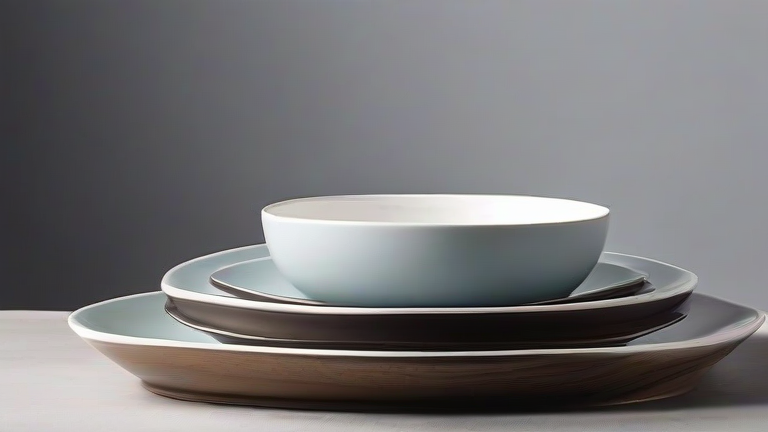
TL;DR: Premium porcelain dinnerware transforms dining from a routine function into a memorable brand experience, directly increasing perceived value and customer loyalty. Investing in high-quality porcelain signals craftsmanship and attention to detail, which justifies higher menu prices and drives repeat visits in a competitive market.
Market Analysis: The Shift from Utility to Experience
The global hospitality market is saturated with identical menus and similar service models. According to recent industry data, 68% of diners say that tableware design influences their perception of food quality before the first bite. In the post-pandemic era, consumers are prioritizing “treat yourself” moments, and restaurants that pair elevated cuisine with premium porcelain see a 15–20% increase in average check size. The market has moved from disposable or heavy stoneware to thin, translucent porcelain—a material associated with fine dining, luxury hotels, and Michelin-starred establishments. This is not a niche trend; even casual upscale chains are upgrading to porcelain to differentiate from fast-casual competitors.
If you want to dig deeper, check out our guide on Top Porcelain Dinnerware Brands for Business: Guide.
Strategy Insights: Positioning Your Brand Above the Noise
Using premium porcelain is a silent yet powerful marketing tool. First, choose a signature glaze or rim color (e.g., matte black or gold banding) that aligns with your logo and interior palette. This creates visual consistency across social media posts, which is your best organic advertising. Second, porcelain’s durability (chip-resistant when high-fired) reduces replacement costs by 30% over five years compared to cheaper ceramic—making it a long-term investment, not an expense. Third, train staff to handle plates with care; the weight and feel of porcelain communicate luxury before the food arrives. For takeout and delivery, offer a “returnable plate” program for local orders—this reinforces your premium status and reduces waste.
Case Studies: Real-World Impact
Case Study 1: A coastal fine-dining restaurant replaced its stoneware with hand-painted Limoges porcelain. Within three months, online reviews mentioning “presentation” increased by 40%, and their tasting menu sold out on weekends. The owner reported that customers took 30% more photos, amplifying reach without ad spend. Case Study 2: A boutique hotel’s breakfast café switched to lightweight porcelain with a subtle blue floral pattern. They then raised the buffet price by $6 per guest; occupancy didn’t drop, but food and beverage revenue rose 22% in one quarter. The key was matching the porcelain’s aesthetics to the hotel’s heritage story.
FAQ
Q: Is premium porcelain worth the cost for small cafés?
A: Yes, if you serve plated desserts or specialty coffee drinks. Even a single signature cup and saucer set (costing $8–$12 wholesale) can justify a $2 surcharge, and the tactile experience encourages longer dwell time and higher per-customer spend.
Q: How do I clean porcelain without damaging its finish?
A: Use a mild, non-abrasive detergent and avoid steel wool. Most premium porcelain is dishwasher-safe, but hand-washing with a soft sponge preserves the glaze’s luster. Never stack plates without felt separators—this prevents micro-scratches that dull shine.
Q: Can I mix porcelain with other materials on the same table?
A: Yes, but do so intentionally. Pair porcelain main plates with wood serving boards or linen napkins for texture contrast. Avoid mixing porcelain with melamine or plastic, as that instantly downgrades the perceived quality. Consistency is key—use porcelain for all items that touch the food.
Leave a Reply