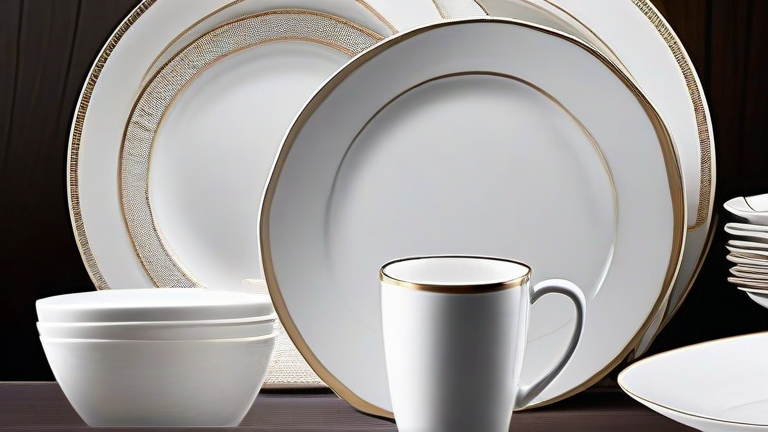
TL;DR: The premium porcelain market is driven by a resurgence in home dining experiences and a demand for durable, high-aesthetic tableware that signals sophistication. Top picks for luxury dining currently favor brands that combine traditional craftsmanship with modern minimalist design, offering exceptional durability and elegant presentation.
Market Analysis: The Rise of Elevated Home Dining
The global premium porcelain dinnerware market has experienced significant growth, valued at approximately $1.5 billion in 2023. This expansion is not merely a trend but a structural shift in consumer behavior. Post-pandemic, the home has become the primary venue for entertainment and self-care. Consumers are no longer satisfied with mass-produced, disposable tableware; instead, they seek items that evoke a sense of occasion and permanence. The market is segmented into two primary categories: heritage brands with centuries of history, such as Meissen and Wedgwood, and contemporary luxury labels that emphasize artistic collaboration and sustainable sourcing. Key drivers include the “quiet luxury” movement, where consumers prefer understated quality over conspicuous logos, and the increasing value placed on the sensory experience of eating. Porcelain, with its translucency, delicate ring, and smooth finish, offers a tactile and visual superiority that stoneware or ceramic cannot match, making it the preferred medium for luxury dining settings.
If you want to dig deeper, check out our guide on Why You Need a High-Quality Ergonomic Office Chair.
Strategy Insights: Positioning for High-End Consumers
Success in this sector requires a strategy that balances exclusivity with accessibility. Brands must invest heavily in storytelling, highlighting the artisanal processes involved in firing and glazing. Digital marketing strategies must focus on high-resolution visual content that captures the light refraction through thin-walled porcelain, emphasizing the product’s aesthetic value. Additionally, bundling services such as lifetime warranty programs or concierge-style replacement services adds significant perceived value. Collaboration with renowned chefs or interior designers can also create buzz, positioning the dinnerware as an essential component of a curated lifestyle rather than just a functional kitchen item. Sustainability is another critical strategic pillar; using lead-free, non-toxic glazes and energy-efficient kilns appeals to the environmentally conscious luxury buyer. Brands that fail to address these holistic value propositions risk being commoditized by mid-tier competitors who offer similar aesthetics at lower price points.
Case Studies: Leading the Pack
Consider the case of Luminarc, a French brand that successfully repositioned itself by introducing a line of ultra-thin, translucent porcelain pieces. By focusing on the technical innovation of their firing process, they appealed to design enthusiasts who view tableware as art. Similarly, Villeroy & Boch has maintained its dominance by leveraging its heritage, offering collections that blend Baroque elegance with modern functionality. Their strategy involves limited-edition releases that create urgency and exclusivity. Another notable example is the rise of Japanese-inspired minimalist brands that have gained traction in Western markets. These brands emphasize simplicity, functionality, and natural materials, resonating with consumers who prefer a Zen-like dining experience. These case studies demonstrate that while heritage is valuable, innovation in design and material science is equally critical for capturing new market segments.
FAQ
Q: What distinguishes premium porcelain from standard ceramic?
A: Premium porcelain is made from kaolin clay and fired at much higher temperatures, resulting in a denser, harder, and more translucent material that is chip-resistant and microwave-safe, unlike standard ceramic.
Q: How should luxury dinnerware be stored to ensure longevity?
A: Store plates vertically in a dedicated cabinet to prevent scratching, using felt dividers between items. Avoid stacking heavy pieces on top of lighter ones to prevent stress fractures.
Q: Is it cost-effective to invest in high-end porcelain sets?
A: Yes, high-end porcelain is highly durable and can last for generations with proper care. The initial investment is offset by the long-term savings on replacements and the enhanced aesthetic value it adds to home entertaining.
Leave a Reply