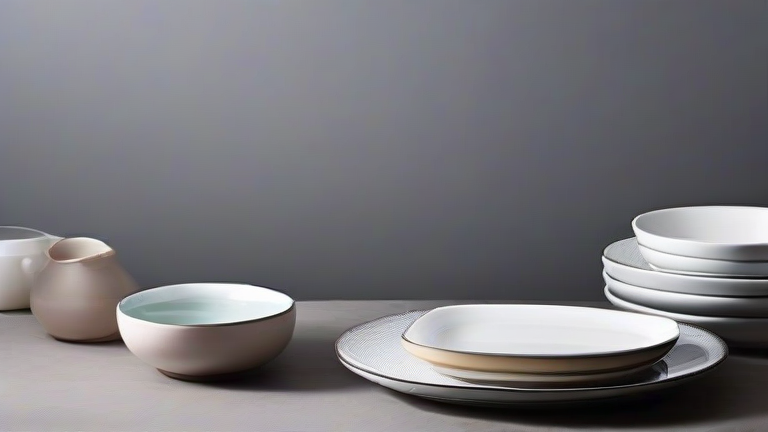
TL;DR: Porcelain dominates the high-end tech-driven market due to its superior thermal shock resistance and ability to integrate advanced nano-coatings for self-cleaning properties. Ceramic offers a more affordable alternative with robust durability, but it lacks the precision manufacturing capabilities required for next-generation smart tableware features.
The Evolution of Smart Tableware
The dinnerware industry has undergone a seismic shift in the past five years, moving beyond mere aesthetics to embrace functional technology. As consumers demand products that are not only beautiful but also intelligent, the debate between porcelain and ceramic has become a technical one. Manufacturers are now leveraging 3D printing, AI-driven design, and advanced material science to create dinnerware that can monitor food temperature, resist stains at a molecular level, and even integrate with home automation systems. Understanding the technical distinctions between these two primary materials is crucial for tech enthusiasts and industry stakeholders alike.
Material Specifications and Performance
Porcelain, a type of fine china made from kaolin clay, feldspar, and silica, is fired at extremely high temperatures, typically between 1,200 and 1,400 degrees Celsius. This process creates a dense, non-porous structure with a water absorption rate of less than 0.5%. In contrast, standard ceramic dinnerware is usually fired at lower temperatures, around 1,000 to 1,150 degrees Celsius, resulting in a more porous material with higher water absorption rates. The density of porcelain makes it ideal for embedding micro-electronics. Recent developments in “smart porcelain” allow for the integration of flexible sensors directly into the glaze. These sensors can detect pH levels, temperature, and even chemical composition of food, sending data to a smartphone via Bluetooth. Ceramic, while stronger against mechanical impact in some low-fire applications, struggles to maintain the integrity of embedded circuits due to its higher porosity and lower thermal stability.
Latest Technological Developments
The latest breakthroughs in porcelain technology focus on “self-cleaning” nano-coatings. By applying a layer of titanium dioxide or silver nanoparticles during the glazing process, manufacturers have created plates that decompose organic stains under UV light and exhibit antimicrobial properties. This technology is particularly effective in porcelain because the smooth, glass-like surface of high-fired china provides a perfect substrate for these coatings. Furthermore, AI-driven manufacturing lines now use computer vision to inspect every piece of porcelain for microscopic flaws, ensuring that only the highest quality items receive their electronic components. This precision is difficult to achieve with ceramic, which often has a more granular texture that can interfere with sensor accuracy.
Industry Impact and Future Outlook
The adoption of tech-enabled porcelain is reshaping the luxury dining market. Hotels and high-end restaurants are increasingly investing in smart porcelain sets to offer guests a personalized dining experience, such as plates that notify servers when a dish has reached the optimal serving temperature. The impact on the supply chain is significant, requiring new partnerships between traditional ceramic manufacturers and tech firms. While ceramic remains the volume leader for mass-market products, porcelain is capturing the premium segment where functionality meets luxury. As 5G connectivity becomes more ubiquitous, we can expect to see more dinnerware that acts as a node in the smart home network, providing data on dietary habits and kitchen efficiency. The choice between the two is no longer just about looks; it is about the level of technological integration a consumer is willing to invest in.
FAQ
Q: Is tech-enabled porcelain more durable than ceramic?
A: Porcelain is generally more durable against thermal shock and chipping due to its higher firing temperature and density, making it better suited for long-term use with embedded electronics.
If you want to dig deeper, check out our guide on Healthy Porcelain Dinnerware: Is It Safe For Your Family?.
Q: Can I put smart porcelain in the dishwasher?
A: Most modern tech-enabled porcelain is dishwasher safe, as the electronic components are sealed within the glaze or placed in protected zones, but always check the manufacturer’s specific instructions.
Q: How much more expensive is tech porcelain compared to standard ceramic?
A: Tech-enabled porcelain typically costs 50% to 200% more than standard ceramic due to the cost of materials, complex manufacturing processes
Leave a Reply