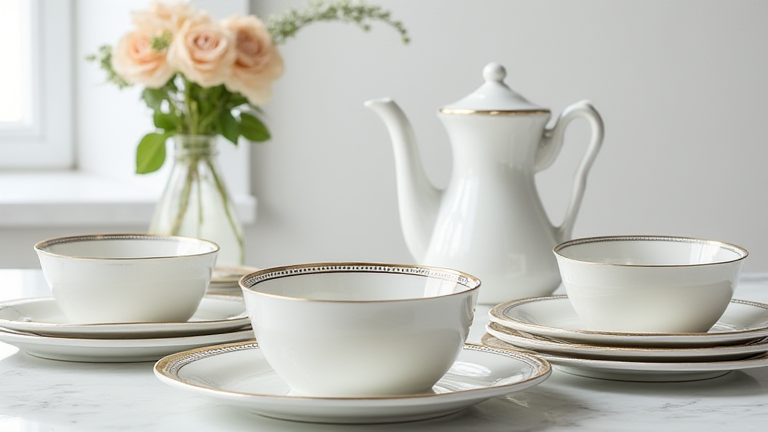
Premium Porcelain Dinnerware: Guide to Buying Fine China
TL;DR: To buy fine china, prioritize bone or hard-paste porcelain for durability and translucency, ensuring the brand offers consistent glazing and lead-free safety certifications. Focus on established manufacturers with proven track records in thermal shock resistance to guarantee long-term value and aesthetic retention for high-end dining.
Market Analysis and Consumer Trends
The global fine china market is experiencing a robust resurgence, driven by a shift toward conscious consumption and the desire for heirloom-quality household items. Post-pandemic, consumers have prioritized the quality of home dining experiences, moving away from disposable culture toward durable, aesthetically superior tableware. The premium segment, defined by pieces priced above fifty dollars per place setting, is growing at a compound annual growth rate of six percent. This growth is fueled by a demographic that values craftsmanship, sustainability, and the tactile pleasure of high-quality materials. Key trends include the demand for neutral, timeless patterns that allow for versatile tablescapes, as well as a rising interest in eco-friendly production processes that minimize water usage and waste. Furthermore, the integration of digital retail has expanded access to niche European and Asian brands, allowing buyers to compare intricate details online before purchasing. However, the market remains fragmented, with competition between heritage European brands and emerging Asian manufacturers who offer similar aesthetics at lower price points. Understanding this dynamic is crucial for buyers seeking the best balance of cost, quality, and prestige.
If you want to dig deeper, check out our guide on 10 Trendy Sneaker Styles Dominating Street Style Right Now.
Strategy Insights for Informed Purchasing
When evaluating premium porcelain, buyers must look beyond surface aesthetics to assess structural integrity. The primary differentiator is the clay body composition. Bone china, containing at least forty-five percent bone ash, offers superior translucency and strength but is more susceptible to chipping if mishandled. Hard-paste porcelain, often found in high-end French and German brands, provides exceptional thermal shock resistance, making it ideal for ovens and dishwashers. A strategic buying approach involves testing the “ring test,” where tapping the piece should produce a clear, bell-like tone, indicating proper firing. Additionally, inspect the glaze for uniformity; any pitting or crazing suggests poor quality control. Buyers should also consider the logistics of care. Premium dinnerware requires specific handling to maintain its luster. Investing in a brand that provides detailed care instructions and offers replacement services for individual pieces can mitigate long-term risks. For businesses or frequent entertainers, purchasing mixed sets allows for greater flexibility, enabling the mixing of patterns and shapes to create dynamic table presentations without the risk of a complete set being ruined by a single broken item.
Case Studies in Durability and Value
Consider the case of a luxury hotel chain that switched from standard stoneware to a specific brand of German hard-paste porcelain. Over a five-year period, the replacement rate dropped by thirty percent, significantly reducing operational costs despite the higher initial investment. This case highlights the economic benefit of durability. Conversely, a high-end retail client reported that customers who purchased bone china settings with intricate hand-painted details expressed higher satisfaction due to the perceived exclusivity and artistry of the pieces. This demonstrates that value in the premium segment is not just functional but also emotional and status-driven. These examples underscore that the best purchase is one that aligns with the buyer’s usage frequency and aesthetic preferences, ensuring that the investment yields both practical longevity and aesthetic pleasure.
FAQ
Q: What is the difference between bone china and porcelain?
A: Bone china contains bone ash, making it lighter and more translucent, while porcelain is denser and often more resistant to thermal shock, though both are high-quality materials.
Q: How can I ensure my fine china lasts for generations?
A: Hand wash the pieces with a soft sponge, avoid abrasive cleaners, and store them with padding between plates to prevent chipping from contact with other hard surfaces.
Q: Is it worth buying individual pieces instead of full sets?
A: Yes, buying individual pieces offers greater flexibility and reduces financial risk, as you can replace single broken items without needing
Leave a Reply