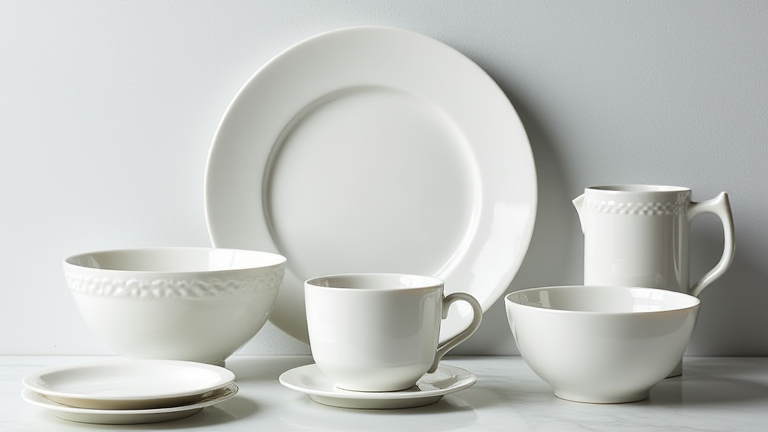
TL;DR: To start a successful porcelain dinnerware business, you must differentiate through superior craftsmanship and sustainable sourcing, as the market increasingly favors quality over quantity. Success hinges on building strong brand narratives that connect with consumers seeking durable, aesthetically pleasing, and ethically produced tableware.
Market Analysis: The Shift Toward Quality
The global dinnerware market is undergoing a significant transformation, driven by a post-pandemic desire for home improvement and a growing appreciation for artisanal goods. While mass-produced ceramic plates remain dominant in volume, the high-end porcelain segment is experiencing robust growth. Consumers are no longer satisfied with disposable or low-quality items that crack easily or lack visual appeal. Instead, they are investing in “forever pieces” that can last a lifetime. This shift creates a lucrative niche for businesses that can offer genuine porcelain, characterized by its thinness, translucency, and strength. Furthermore, the rise of social media has amplified the importance of aesthetics. Porcelain sets that look elegant on Instagram or TikTok drive impulse purchases, making visual branding a critical component of market entry. Understanding this demographic, which typically includes millennials and Gen Z homeowners as well as professional interior designers, is essential for positioning your brand effectively.
If you want to dig deeper, check out our guide on Elevate Your Table: The Timeless Allure of Porcelain Dinnerw.
Strategy Insights: Building a Brand
Strategy in the porcelain business is not just about manufacturing; it is about storytelling. Your primary competitive advantage should be the story behind the clay, the firing process, and the designers involved. Transparency about sourcing is vital. Many consumers are concerned about environmental impact, so highlighting lead-free glazes, water-efficient kilns, and locally sourced materials can significantly boost brand loyalty. Pricing strategy must reflect the premium nature of the product. You cannot compete on price with mass-market retailers like IKEA or Target. Instead, compete on value, durability, and exclusivity. Consider offering custom designs or limited edition collections to create scarcity and urgency. Additionally, partnerships with high-end hotels, restaurants, and interior design firms can provide B2B revenue streams that stabilize cash flow while you build your consumer base.
Case Studies: Lessons from Leaders
Consider the success of brands like Villeroy & Boch or emerging independent studios. Villeroy & Boch leverages its long heritage and technical innovation to maintain dominance in both residential and commercial sectors. They succeed by offering a vast range of products that cater to different tastes while maintaining consistent quality. On the other hand, smaller independent studios have thrived by focusing on niche aesthetics. One such studio, based in the Pacific Northwest, saw a 200% increase in sales after they launched a line of minimalist, matte-finish plates that appealed to the “Japandi” interior design trend. They used influencer marketing to showcase these plates in real-life settings, proving that even small players can capture significant market share by identifying specific design trends and executing targeted marketing campaigns effectively. These examples demonstrate that whether you are scaling up or staying boutique, alignment with consumer values and aesthetic trends is key.
FAQ
Q: What is the initial capital required to start a porcelain dinnerware business?
A: Startup costs vary widely but typically range from $50,000 to $250,000 for a small-scale operation, covering kilns, raw materials, tooling, and initial inventory.
Q: How do I ensure the durability of my porcelain products?
A: Durability is achieved through precise control of the clay body composition and firing temperature, ensuring the porcelain is fully vitrified to withstand daily use without chipping.
Q: Is it better to manufacture in-house or outsource production?
A: Outsourcing is often recommended for startups to reduce overhead and risk, allowing you to focus on design and marketing, while in-house manufacturing offers greater control over quality and scalability later.
Leave a Reply