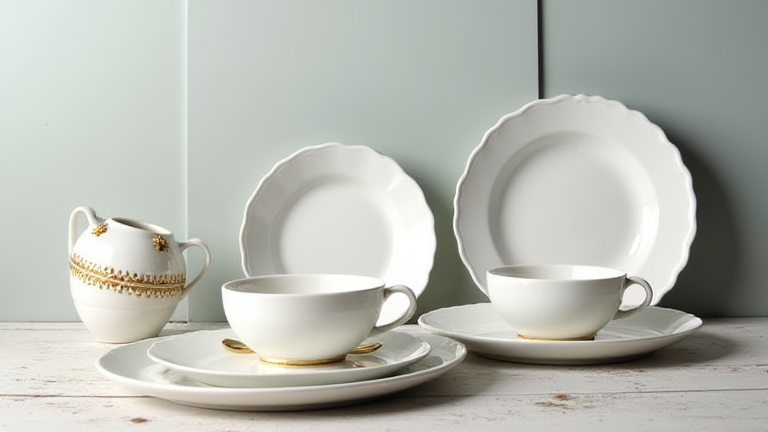
TL;DR: Porcelain dinnerware elevates dining by combining durability with elegant aesthetics that enhance the sensory experience of food. Its timeless design and superior material properties make it a sophisticated investment for any home.
The Art of Presentation
In an era dominated by disposable convenience, the act of setting a table with care has become a radical act of mindfulness. Among the various materials available for tableware, porcelain stands out as the gold standard for those seeking to elevate their daily dining rituals. It is not merely about the food served on the plate; it is about the entire symphony of senses that accompanies the meal. The weight of a fine porcelain plate in your hand, the subtle chime when it meets a ceramic bowl, and the pristine white canvas that allows vibrant food colors to pop all contribute to a heightened appreciation of gastronomy. This tactile and visual engagement transforms a simple meal into a curated cultural experience, bridging the gap between everyday sustenance and artistic expression.
If you want to dig deeper, check out our guide on Premium Porcelain Dinnerware: Elevate Your Dining Business.
Material Mastery and Durability
Unlike standard ceramic stoneware, true porcelain is crafted from kaolin clay fired at extremely high temperatures. This process results in a material that is vitrified, meaning it is non-porous and incredibly dense. This density translates to superior strength and resistance to chipping, making porcelain a practical choice for daily use despite its delicate appearance. The glossy finish of quality porcelain is also easier to clean and more resistant to staining than porous alternatives. When you invest in high-quality porcelain, you are choosing a product that will age gracefully, retaining its luster and structural integrity for decades. This longevity supports a more sustainable lifestyle by reducing the need for frequent replacements, aligning with the modern consumer’s desire for quality over quantity.
Cultural Heritage and Personal Growth
Porcelain has a rich history that spans centuries and continents, from the kilns of Jingdezhen in China to the factories of Bavaria and Limoges. Owning and using porcelain connects the modern diner to this vast cultural heritage. Each piece carries a story of craftsmanship and tradition, adding a layer of depth to your dining experience. Furthermore, the ritual of caring for such delicate items fosters a sense of responsibility and mindfulness. Taking the time to hand-wash and properly store your porcelain encourages a slower, more intentional pace of life. It is a personal growth opportunity, teaching patience and respect for objects that are meant to last. In this way, your dinnerware becomes more than just a utility; it becomes a companion in your journey toward a more thoughtful and appreciative existence.
FAQ
Q: Is porcelain safe for microwave and dishwasher use?
A: Yes, most modern porcelain is designed to be microwave and dishwasher safe, but you should always check the manufacturer’s label for specific care instructions regarding gold or silver rims.
Q: How do I distinguish between real porcelain and ceramic?
A: Real porcelain is translucent when held up to light and has a smooth, glass-like surface, whereas standard ceramic is opaque and often has a matte or semi-gloss finish that is more porous.
Q: Why does porcelain cost more than stoneware?
A: Porcelain requires higher firing temperatures and specialized kaolin clay, which increases production costs and results in a denser, more durable, and aesthetically superior product compared to standard stoneware.
Leave a Reply