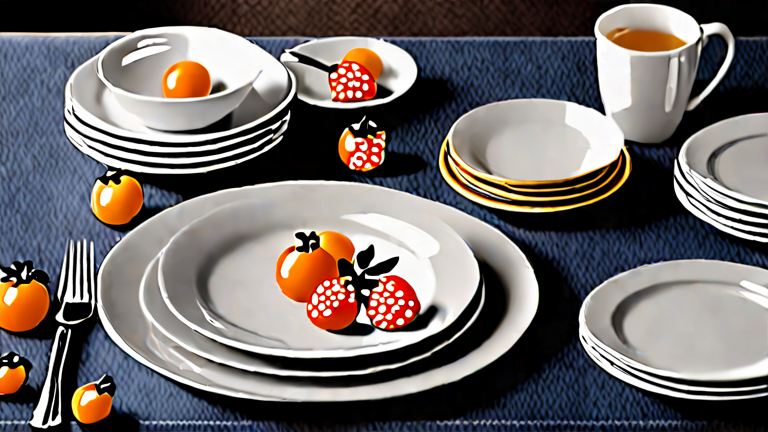
TL;DR: Yes, high-quality porcelain dinnerware is generally safe for daily use because its dense, vitrified structure prevents chemical leaching into food. While rare defects in low-grade ceramics can pose risks, reputable porcelain brands meet strict safety standards, making them a healthy, durable choice for your table.
Understanding Porcelain Safety
Porcelain is a type of ceramic ware made from fine clay, silica, and feldspar, fired at extremely high temperatures. This process creates a non-porous, glass-like surface that is distinct from earthenware or stoneware. Because the material is vitrified, it does not absorb water or food residues, which minimizes the growth of bacteria and mold. This inherent hygiene makes porcelain an excellent choice for health-conscious individuals. The primary safety concern regarding ceramic tableware involves the presence of heavy metals like lead and cadmium in the glazes. However, modern manufacturing regulations in the United States and Europe strictly limit these substances. When you purchase porcelain from established, reputable brands, you can be confident that the glaze is inert and safe. The key to safety lies in the integrity of the glaze. If a porcelain piece is chipped or cracked, the underlying clay may be exposed. In such cases, it is advisable to replace the item, as the structural compromise could potentially allow trace amounts of materials to interact with food, although this risk is negligible with intact, high-quality porcelain.
If you want to dig deeper, check out our guide on 7 Viral TikTok Shop Products Driving Massive Sales This Mont.
Debunking Common Myths
One persistent myth is that all ceramics contain lead. This is false. While lead was historically used in glazes to improve flow and durability, modern porcelain glazes are typically free of lead and cadmium. Another misconception is that microwave use damages porcelain. In reality, pure porcelain is microwave-safe. It does not contain metal components that spark, and its non-porous nature means it does not trap moisture that could cause uneven heating. However, you should always check for specific manufacturer guidelines, as decorative patterns or metallic accents may not be microwave-safe. Additionally, some believe that porcelain is fragile and prone to breaking easily. While it is brittle compared to plastic, modern porcelain is surprisingly strong due to its density. With proper handling, a porcelain set can last for generations, offering a sustainable alternative to disposable plastics.
Lifestyle Tips for Longevity and Health
To maintain the safety and beauty of your porcelain dinnerware, adopt a few simple habits. First, avoid thermal shock by not placing hot dishes directly into cold water. Gradual temperature changes prevent cracking. Second, wash dishes in warm, soapy water or use a dishwasher if the manufacturer specifies it is dishwasher-safe. Avoid harsh abrasive cleaners, which can scratch the glaze. Scratched surfaces can harbor bacteria and make the ware more susceptible to further damage. Third, inspect your tableware regularly. If you notice chips, cracks, or wear, retire the piece from your dining rotation. By choosing certified, lead-free porcelain and maintaining it properly, you ensure a safe, stylish, and healthy dining experience. Porcelain’s elegance and durability make it a timeless investment in your home’s wellness and aesthetics.
FAQ
Q: Is porcelain safe for babies and children?
A: Yes, high-quality, lead-free porcelain is safe for children. However, due to its fragility, it is often recommended for older children or supervised use to prevent breakage and injury from shards.
Q: Can I put porcelain in the dishwasher?
A: Most modern porcelain is dishwasher-safe, but you should always check the manufacturer’s label. Hand washing is recommended for pieces with hand-painted designs or metallic accents to preserve their finish.
Q: How do I know if my porcelain is lead-free?
A: Look for certifications from reputable testing agencies or buy from well-known brands that explicitly state their products comply with FDA or international safety standards for lead and cadmium limits.
Leave a Reply