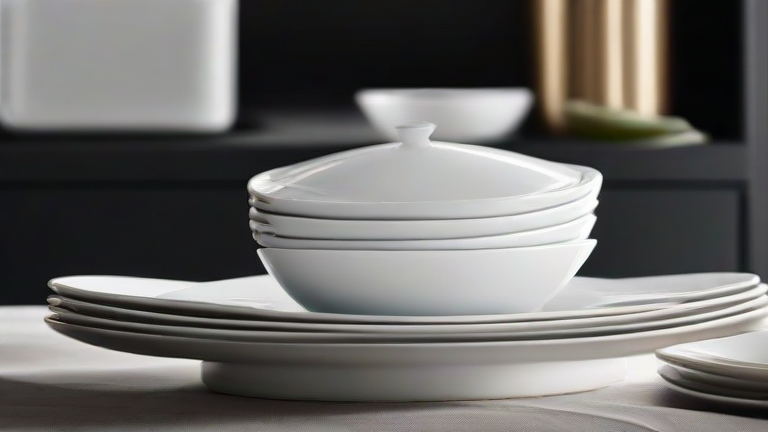
TL;DR: To maintain the pristine white finish of your porcelain dinnerware, wash items gently with mild detergent and warm water, avoiding abrasive scrubbers that can dull the glaze. Store pieces vertically in a secure cabinet to prevent chipping and ensure they remain in excellent condition for decades.
Understanding Your Porcelain
Porcelain is distinct from other ceramics because of its high firing temperature, which results in a dense, non-porous, and highly durable material. This unique structure allows it to resist stains and odors better than stoneware or earthenware, but it is still susceptible to physical damage. Understanding that the glaze is your primary defense against wear and tear will guide your cleaning habits. Always handle pieces with care, as the edges are the most vulnerable points for chips that can spread over time.
If you want to dig deeper, check out our guide on Elevate Your Dining: The Timeless Charm of Porcelain Dinnerw.
Step-by-Step Cleaning Instructions
Begin by rinsing your plates and bowls under lukewarm water to remove any loose food particles. Using hot water immediately after a meal can sometimes cause thermal shock in very cold porcelain, though this is rare with modern formulations. Next, apply a small amount of pH-neutral, mild dish soap to a soft sponge or microfiber cloth. Avoid using steel wool or harsh scouring pads, as these can scratch the surface of the glaze, making it more porous and prone to discoloration in the future.
Gently scrub the interior and exterior of the dish, paying close attention to the rims and the bottom of the plate where residue tends to accumulate. For intricate patterns or gilded accents, use a damp cloth to wipe carefully without applying excessive pressure. Rinse the dish thoroughly under running water to ensure all soap residue is removed, as leftover detergent can leave a hazy film on the surface. Finally, dry the items immediately with a soft, lint-free towel. Air drying is an option, but hand drying prevents water spots and ensures that no moisture remains in crevices where mold or mildew could theoretically develop in rare cases.
Special Care Tips
If you notice stubborn stains, such as from coffee, tea, or turmeric, create a paste using baking soda and water. Apply this paste to the stained area and let it sit for fifteen minutes before gently rubbing with a soft cloth. Baking soda is a mild abrasive that is safe for porcelain glazes. For gilded or painted designs, never use abrasive cleaners or place these items in the dishwasher, as the high heat and harsh detergents can cause the gold or paint to flake off. Instead, hand wash these pieces with a neutral pH soap.
When storing your dinnerware, avoid stacking plates too high, as the weight can cause the rims to chip. Use felt or paper dividers between plates to provide a buffer. If you must store them in a dishwasher-safe container, ensure the rack is not too tight. Regular inspection is key; if you spot a tiny chip, you can sometimes stabilize it with a specialized ceramic adhesive to prevent it from expanding.
FAQ
Q: Can I put porcelain in the dishwasher?
A: Yes, most modern porcelain is dishwasher safe, but hand washing is recommended for pieces with gold accents, intricate painting, or if you want to extend the lifespan of the glaze.
Q: How do I remove coffee or tea stains?
A: Create a paste with baking soda and water, apply it to the stain, let it sit for 15 minutes, and then gently scrub with a soft cloth before rinsing.
Q: What should I do if a plate chips?
A: Inspect the chip immediately. If it is small, you can use a ceramic repair kit to fill it. If it is large or on the rim, it is safest to retire the plate to avoid breaking teeth or fingers.
Leave a Reply