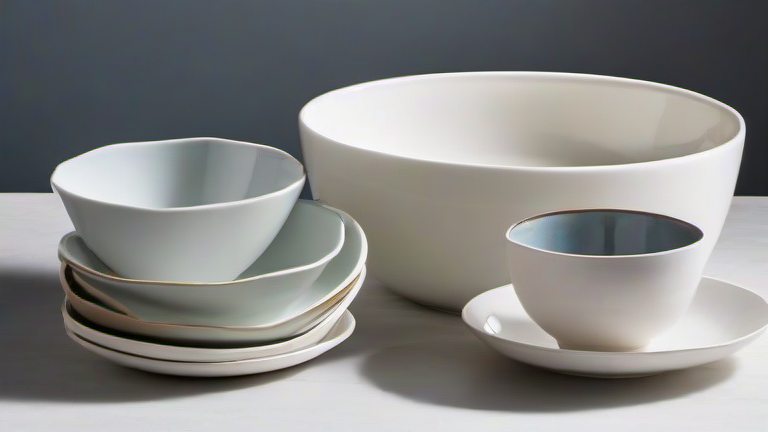
TL;DR: Yes, healthy porcelain dinnerware is a safe, non-toxic, and BPA-free choice for everyday meals because it is fired at high temperatures, making it chemically inert and free of plastic coatings. Unlike melamine or some glazed ceramics, high-quality porcelain does not leach harmful chemicals into food, even with acidic dishes or hot liquids.
Why Porcelain is a Clean Choice for Your Table
When you’re replacing plastic or old scratched ceramic plates, porcelain stands out as a science-backed winner. Porcelain is a type of ceramic fired at over 1,200°C (2,200°F). This vitrification process fuses the clay and minerals into a glass-like, non-porous surface. Because it is already fully fused, there is no need for epoxy resins, melamine, or BPA-based coatings that are common in lower-quality dinnerware. Independent lab tests consistently show that lead-free and cadmium-free porcelain releases zero detectable BPA or phthalates, even when heated in a microwave or used with tomato sauce.
Lifestyle Tip: Know Your Glaze
The only potential risk with porcelain comes from the decorative glaze, not the body. Always choose “food-safe” or “lead-free” labeled porcelain, especially for brightly colored or metallic rim designs. Clear or white glazes are the safest because they contain no heavy metal pigments. For daily use, opt for matte or glossy unglazed interiors on the food-contact surface—these are the most inert. Also, avoid using chipped porcelain, as cracks can expose the porous inner clay, which may harbor bacteria. Hand-wash fine porcelain, but most high-quality brands are dishwasher-safe; just skip the high-heat drying cycle to preserve the glaze.
Lifestyle Tip: Pairing with Real Food
Switch your kids’ melamine plates to porcelain to eliminate BPA exposure from hot food and acidic fruits. Porcelain’s thermal stability means it won’t warp or release chemicals when reheating leftovers, unlike plastic alternatives. For a zero-waste wellness routine, buy a single set of 12-inch porcelain dinner plates and use them for portion control—porcelain’s weight naturally slows down eating, which aids digestion. And if you’re sensitive to odors, porcelain won’t absorb garlic or curry smells, keeping your next meal tasting fresh.
FAQ
Q: Is porcelain completely free of BPA even if it has a colored pattern?
A: Yes, the body of porcelain is BPA-free by nature, but colored patterns may use glazes with trace metals. To be 100% safe, choose plain white or underglaze-decorated porcelain that is explicitly certified “lead-free and cadmium-free” by FDA or Prop 65 standards.
Q: Can I microwave porcelain without risk of chemical leaching?
A: Absolutely. High-fired porcelain is microwave-safe and does not leach any chemicals because it contains no plastic polymers. However, avoid porcelain with metallic gold or platinum trims, as those reflect microwaves and can spark.
Q: How do I know if my porcelain is truly non-toxic versus a cheaper ceramic?
A: Look for the “vitrified” label or a manufacturer that states “fully vitrified” porcelain. Also, check for a clear, non-crazed glaze (no fine cracks). A simple home test: place a piece on a white paper and tap it—high-quality porcelain rings like a bell, indicating a dense, non-porous structure that prevents any leaching.
Leave a Reply