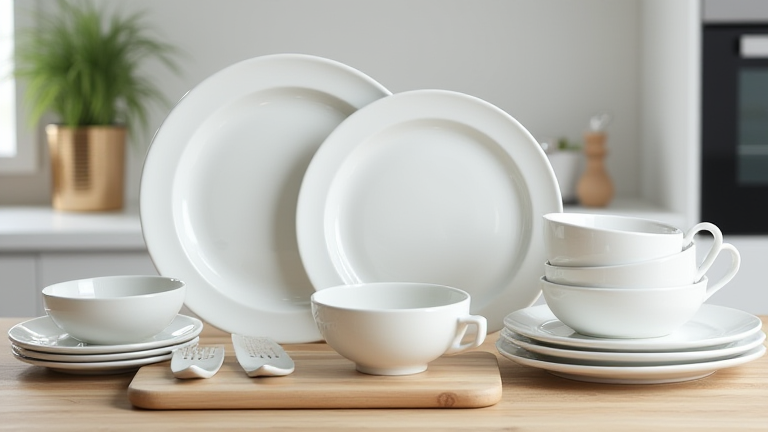
TL;DR: Porcelain dinnerware is a durable, non-porous ceramic fired at high temperatures, making it chip-resistant and safe for daily use. To start, choose a mid-range bone china or hard-paste porcelain set, then learn proper handling, cleaning, and storage to extend its life.
Step 1: Understand What Porcelain Is
Porcelain is made from kaolin clay, feldspar, and quartz, fired at 1,200–1,400°C. This vitrification process makes it glass-like, dense, and non-absorbent. Unlike stoneware or earthenware, porcelain is thinner and lighter but surprisingly strong. For beginners, look for “high-fired” or “vitrified” labels—these guarantee the best durability and resistance to crazing (tiny cracks).
If you want to dig deeper, check out our guide on 10 Trend Forecasting Tools to Predict the Next Big Product.
Step 2: Choose Your Set Based on Use
Decide between hard-paste porcelain (traditional, more translucent) and bone china (contains bone ash, whiter and more chip-resistant). For everyday use, pick a set with reinforced rims and a glazed foot ring. Avoid hand-painted or metallic-trimmed pieces for daily meals—they may require hand-washing. Start with a 12-piece set (4 place settings) to cover basic needs. Check that plates are oven-safe (up to 350°F) and microwave-safe unless stated otherwise.
Step 3: Handle With Care (But Don’t Panic)
Porcelain is tough but not indestructible. Always lift plates from the base, not the rim, to prevent stress fractures. Stack plates with a soft cloth or felt pad between them—especially if they have raised patterns. When moving cups, grip the handle, not the body. Avoid sudden temperature shocks: don’t put a cold plate into a hot oven, and never pour boiling water into a frozen mug.
Step 4: Wash and Dry Correctly
Most porcelain is dishwasher-safe, but use the gentle cycle with a mild detergent to protect glaze. For hand-washing, use warm water and a soft sponge—avoid abrasive pads. Dry immediately with a lint-free towel to prevent water spots. For stubborn stains (tea or coffee), soak in a baking soda paste for 15 minutes, then rinse. Never use bleach or chlorine-based cleaners; they can dull the glaze.
Step 5: Store Smartly to Prevent Damage
Store cups on separate hooks or with a small felt liner between them to prevent rim chips. For plates, stack no more than 10 high, with paper plates or felt dividers. Keep dinnerware away from direct sunlight (UV can yellow white glazes). Use a dedicated cabinet with padded shelves if possible. If you must stack bowls, place the largest at the bottom and offset the rims slightly.
Step 6: Handle Minor Damage
If a chip occurs, stop using the piece for food—bacteria can hide in the exposed clay. For hairline cracks without chips, you can still use it for dry snacks, but not for liquids. For repairs, use food-safe ceramic epoxy, but know that the piece will never be dishwasher-safe again. For valuable sets, consult a professional restorer.
FAQ
Q: Is porcelain dinnerware safe for everyday use, or is it only for formal occasions?
A: Yes, high-quality porcelain is designed for daily use—it’s more durable than stoneware and resists scratching, staining, and thermal shock. Choose reinforced rims and avoid metallic trims for worry-free everyday meals.
Q: Can I put porcelain dinnerware in the microwave and oven?
A: Most porcelain is microwave-safe, but check for metallic decorations (gold or platinum) which are not. For oven use, verify the manufacturer’s max temperature (typically 350°F). Avoid broiling or direct flame contact.
Q: How do I prevent porcelain from getting scratched or crazed
Leave a Reply