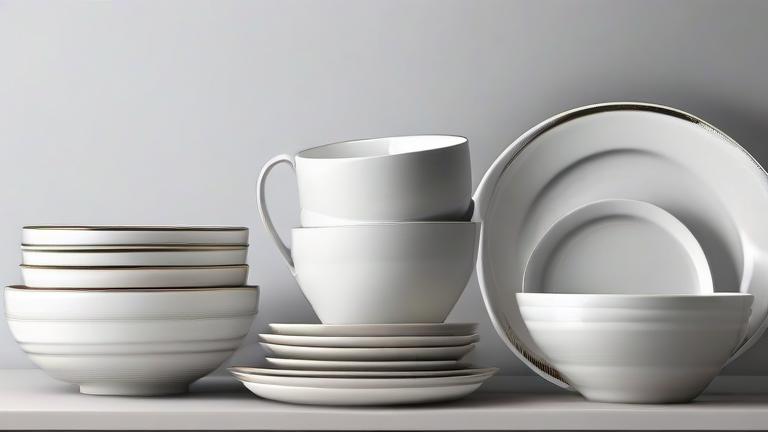
Porcelain Dinnerware
TL;DR: To maintain the pristine appearance and structural integrity of your porcelain dinnerware, wash it in warm soapy water or the top rack of your dishwasher. Avoid sudden temperature changes and abrasive scrubbers to prevent thermal shock and surface scratches.
Porcelain is a premium ceramic material known for its translucency, strength, and elegant aesthetic. Unlike stoneware or earthenware, porcelain is fired at much higher temperatures, resulting in a denser, non-porous surface that resists staining and chipping. However, this delicate beauty requires specific care to last for generations. This guide outlines the essential steps for cleaning, storing, and preserving your fine porcelain collection.
If you want to dig deeper, check out our guide on Tech in Porcelain Dinnerware: Smart Features & Trends.
Cleaning Your Porcelain
Hand washing is the gold standard for high-end porcelain. Fill a sink with warm, not hot, water and a mild, phosphate-free dish soap. Use a soft sponge or microfiber cloth to gently clean the surface. Avoid steel wool or abrasive scrub pads, as they can create micro-scratches that dull the glaze over time. For stubborn stains, create a paste of baking soda and water, apply it gently, and rinse thoroughly. If you choose to use a dishwasher, ensure the pieces are secure and place them on the top rack to minimize impact from falling items. Use a gentle cycle with a low-heat dry setting to prevent thermal shock.
Storage and Handling
Proper storage prevents chipping and cracking. Store plates vertically in a dedicated cabinet or use felt-lined dividers to keep them separated. If stacking is necessary, place a thin felt or paper towel between each plate to cushion the contact points. Never stack heavy bowls directly on top of delicate plates. When moving dishes, hold them by the sides or the bottom rather than the rim, which is more susceptible to stress fractures. Keep porcelain away from direct sunlight for extended periods, as UV rays can sometimes cause subtle discoloration in certain glazes over many years.
Avoiding Common Mistakes
Thermal shock is the enemy of porcelain. Never place a hot dish directly into cold water or a cold dish into a hot oven. Always allow items to cool to room temperature before washing. Additionally, avoid using porcelain for baking or freezing if it is not explicitly labeled as “freezer safe” or “oven safe.” Standard tableware is not designed to withstand the extreme temperature fluctuations of these appliances. Finally, check for hairline cracks regularly. If you notice any, discontinue use immediately, as these cracks can harbor bacteria and expand under pressure, leading to shattering.
FAQ
Q: Is porcelain safe for the microwave?
A: Yes, most pure white porcelain without metallic accents is microwave-safe. However, avoid heating empty dishes or those with gold or silver rim detailing, as these can spark.
Q: How do I remove tea or coffee stains?
A: Soak the affected area in a mixture of warm water and oxygen-based bleach for fifteen minutes, then scrub gently with a soft sponge and rinse well.
Q: Can I repair chipped porcelain?
A: Minor chips can be filled with a two-part epoxy or ceramic repair kit, but for safety and food contact, it is best to retire heavily damaged pieces from daily use.
Leave a Reply