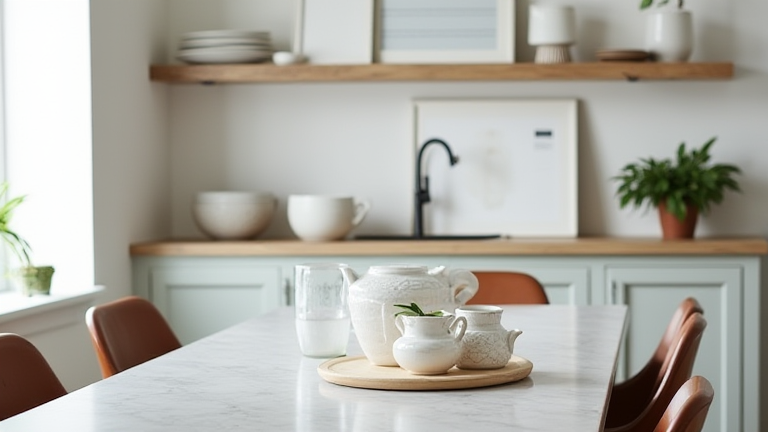
TL;DR: Porcelain dinnerware transforms everyday meals into rituals of mindfulness, blending durability with artisanal heritage. Its timeless appeal lies in how it elevates both the food and the moment, making every dining experience feel intentional and culturally rich.
The Quiet Luxury of a Well-Set Table
In an age of disposable convenience, the act of sitting down to a meal on fine porcelain is a quiet rebellion. It is not about ostentation, but about presence. When you lift a porcelain plate, you feel its weight—not heavy, but substantial. The glaze catches the light, and suddenly, a simple bowl of soup becomes a canvas. This is the timeless appeal of porcelain: it slows time, turning a rushed lunch into a deliberate pause.
If you want to dig deeper, check out our guide on 10 Tech Trends Dominating Smartphone Specs Right Now.
A Journey Through Craft and Culture
Porcelain’s story begins in ancient China, where kaolin clay was fired at extreme temperatures to produce a material that was both translucent and unbelievably strong. Trade routes carried these “white gold” pieces to Europe, where royalty commissioned entire services as symbols of status. Today, when you set a table with porcelain, you are not just using a dish—you are participating in a 1,000-year-old conversation about beauty and utility. Each piece carries the fingerprints of artisans who shaped, glazed, and fired it, connecting your kitchen to kilns in Jingdezhen or Limoges.
The Personal Growth Angle: Eating with Intention
There is a psychological shift when you eat from porcelain versus a plastic or melamine plate. The latter whispers “fast and forgettable.” Porcelain, however, asks you to slow down. It encourages smaller portions served beautifully, which naturally promotes mindful eating. You begin to notice textures, colors, and aromas. This simple change—swapping your everyday dinnerware for porcelain—can become a daily meditation. It teaches you that luxury is not a destination but a habit. You learn to treat yourself with the same care you would offer a guest, and that self-respect spills over into other areas of life, from work to relationships.
Practical Elegance for Modern Living
Some fear porcelain is fragile. The truth is, high-fired porcelain is remarkably resilient—resistant to chips, scratches, and thermal shock. It is microwave-safe, dishwasher-safe, and stackable. Unlike stoneware, it does not absorb moisture or odors, making it hygienic and easy to maintain. Choose a classic white or cream glaze; it acts as a neutral backdrop that makes food pop, and it never clashes with seasonal table linens. Invest in a versatile set—dinner plates, salad plates, bowls, and mugs—and you have a wardrobe for your table that works for a weekday breakfast or a festive dinner party.
FAQ
Q: Is porcelain better than bone china for everyday use?
A: Yes, for most households. Porcelain is denser and more chip-resistant than bone china, which contains animal bone ash and is more delicate. Porcelain offers the same elegant translucency but with superior durability, making it ideal for daily meals and family gatherings.
Q: How do I prevent staining on my white porcelain plates?
A: Rinse plates immediately after use with acidic foods like tomato sauce or curry. If a stain sets, make a paste of baking soda and water, gently rub it on, and rinse. Avoid abrasive scrubbers; a soft sponge with mild dish soap is sufficient. Porcelain’s non-porous glaze resists stains far better than earthenware.
Q: Can I use porcelain in the oven or on an open flame?
A: Most porcelain is oven-safe up to 350°F (175°C), but never place it directly on a stovetop flame or under a broiler, as sudden temperature changes can cause thermal shock. Always check the manufacturer’s label. For oven-to-table service, use it for baking casseroles or roasting vegetables, then serve directly at the table.
Leave a Reply