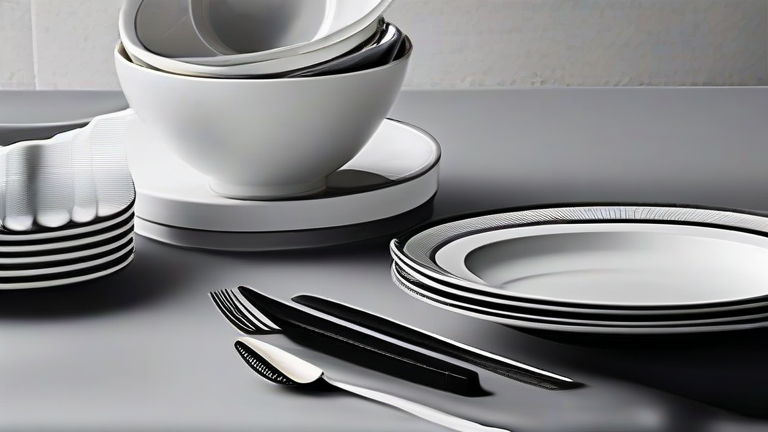
TL;DR: Porcelain dinnerware is a durable, chip-resistant ceramic fired at high temperatures, offering a refined, non-porous surface. To start, choose a vitrified (fully fused) porcelain set, handle it gently, and use mild detergents to preserve its glaze.
Step 1: Understand Porcelain vs. Bone China vs. Stoneware
Porcelain is fired at 2,300–2,600°F, making it denser and more translucent than stoneware but slightly less delicate than bone china (which contains bone ash). For everyday use, opt for “hard-paste” porcelain—it resists thermal shock and is microwave- and dishwasher-safe (unless rimmed with metal). Avoid “soft-paste” porcelain, which scratches easily.
Step 2: Inspect the Glaze and Foot
Run your finger across the rim and base. A flawless glaze should feel glassy with zero pinholes. Check the unglazed foot (bottom ring): it should be smooth, not gritty. Uneven or rough feet indicate low-quality firing. Hold a plate to light—good porcelain shows a faint warm glow, not opaque white.
Step 3: Start with a 12-Piece Starter Set
Purchase a 4-place setting (dinner plate, salad plate, bowl, mug). Look for a “fully vitrified” label (water absorption under 0.5%). Test stackability: plates should nest without wobbling. For versatility, choose a simple white glaze—it pairs with any table décor and hides utensil marks better than colored glazes.
Step 4: Care and Handling Rules
Handwashing is safest, but if using a dishwasher, place items securely and avoid high-heat dry cycles. Never plunge hot porcelain into cold water—thermal shock causes crazing (hairline cracks). Use wooden or silicone utensils in bowls; metal knives can leave gray streaks on the glaze.
Step 5: Avoid Common Beginner Mistakes
Do not stack cups with handles inside other cups—they chip. Store plates with felt liners between them. For microwave use, test by heating a cup of water for 1 minute; if the porcelain feels hot, it’s not microwave-safe. Finally, never use abrasive scouring pads—they dull the shine.
FAQ
Q: Can I put porcelain dinnerware in the oven?
A: Only if labeled “oven-safe” and free of metallic trim. Most porcelain handles up to 350°F, but sudden temp changes (like broiling) can crack it.
Q: How do I remove tea or coffee stains from porcelain mugs?
A: Make a paste of baking soda and water, rub gently with a soft sponge, then rinse. For stubborn stains, soak in a 1:1 white vinegar and warm water solution for 15 minutes—avoid bleach, which can yellow the glaze.
Q: Is porcelain dinnerware safe for daily use with kids?
A: Yes—high-quality porcelain is more chip-resistant than earthenware, but it’s not unbreakable. Choose thicker, rolled-edge plates for toddlers, and avoid stacking heavy pots on top of bowls. Supervise drops on hard tile floors.
Leave a Reply