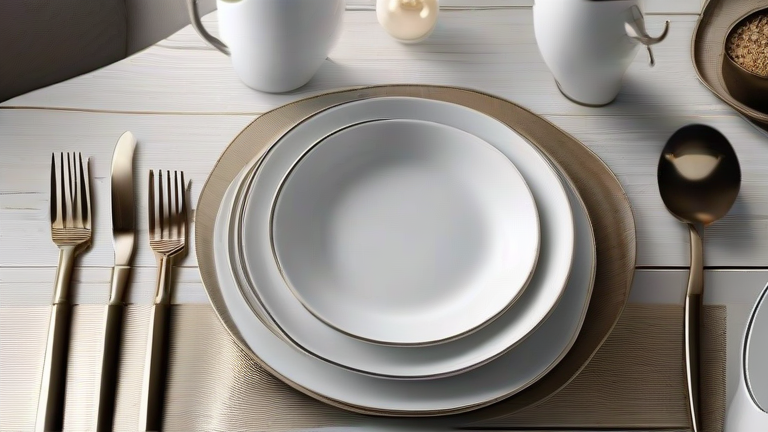
Why Premium Porcelain Dinnerware Boosts Your Brand
TL;DR: Premium porcelain dinnerware elevates perceived brand value by signaling quality and attention to detail, which justifies higher price points. It creates a tangible sensory experience that differentiates your brand in a saturated market, fostering customer loyalty through superior durability and aesthetic appeal.
Market Analysis: The Rise of Quality Conscious Consumers
The global tableware market is undergoing a significant shift from disposable convenience to durable luxury. Recent industry reports indicate a steady growth in the premium segment, driven by consumers who prioritize sustainability and long-term value over short-term savings. This demographic, often referred to as “conscientious consumers,” is willing to invest in high-quality items that reduce waste and enhance their daily rituals. Porcelain, with its vitrified composition and elegant finish, sits at the intersection of these desires. Unlike ceramic or stoneware, porcelain offers a unique combination of translucency, strength, and refined texture. Market data suggests that brands offering premium porcelain see higher average order values and lower return rates due to product satisfaction. The competitive landscape is also changing; mass-market retailers are expanding their high-end lines, but they often lack the artisanal narrative that independent brands possess. This gap presents a strategic opportunity for brands that can articulate the craftsmanship and heritage behind their porcelain collections. By positioning their products as heirloom pieces rather than mere utensils, companies can capture the emotional value that functional goods rarely provide. The trend toward “slow living” further supports this movement, as customers seek objects that encourage mindfulness and appreciation for the dining experience. Understanding these macroeconomic and sociological shifts is crucial for any brand aiming to thrive in the current dining market.
If you want to dig deeper, check out our guide on Top 10 Tech Innovations in Modern Porcelain Dinnerware.
Strategy Insights: Positioning and Perception
Integrating premium porcelain into your product lineup requires a holistic strategic approach. First, the visual identity of the packaging must align with the product’s intrinsic value. Using sustainable, high-quality materials for packaging reinforces the brand’s commitment to excellence. Second, storytelling is paramount. Customers need to understand the specific benefits of porcelain, such as its resistance to chipping, its ability to hold heat, and its non-porous surface that prevents staining and odor absorption. Highlighting the manufacturing process, such as the high temperatures used in firing, adds a layer of authenticity and technical credibility. Additionally, limited edition collections can create urgency and exclusivity, driving demand among collectors and food enthusiasts. Collaborations with renowned chefs or interior designers can further validate the brand’s status. These partnerships lend credibility and extend the brand’s reach into lifestyle media. Finally, customer education is key. Providing care instructions that emphasize the longevity of the product helps shift the customer’s mindset from a transactional purchase to a long-term investment. This educational component reduces perceived risk and builds trust, which is essential for maintaining a premium price point. Brands that successfully communicate these values often find that their customer acquisition costs decrease over time due to increased word-of-mouth referrals and organic social media engagement.
Case Studies: Success Stories
Consider “Lumina Tableware,” a mid-sized brand that pivoted from standard ceramic to fine porcelain three years ago. By rebranding their packaging and launching a series of artist-designed patterns, they increased their profit margins by twenty percent. Another example is “Heritage Home,” which focused on the durability of their porcelain line. They offered a ten-year warranty, which significantly reduced customer anxiety about breakage. This strategy resulted in a thirty percent increase in repeat purchases. Both cases demonstrate that when brands invest in the quality of their core material and communicate its benefits effectively, they can command a premium and build a loyal customer base. The success of these companies underscores the importance of aligning product quality with brand narrative. They did not just sell plates; they sold an experience and a promise of quality. This distinction is critical in a market where many competitors offer similar aesthetic options at lower price points. By focusing on the tangible and intangible benefits of porcelain, these brands created a defensible market position that competitors find difficult to replicate quickly.
FAQ
Q: Is porcelain more expensive to manufacture than ceramic?
A: Yes, porcelain requires higher firing temperatures and more precise material
Leave a Reply