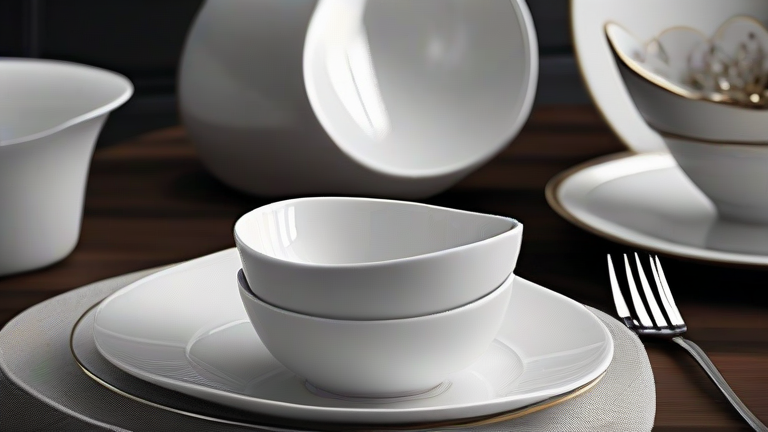
Porcelain Dinnerware Tutorial: Care, Styling & Buying Guide
TL;DR: Porcelain dinnerware offers superior durability and elegance, making it ideal for both daily use and special occasions when properly cared for. To ensure longevity, avoid thermal shock and harsh abrasives while selecting high-quality bone or hard-paste porcelain for the best balance of strength and aesthetic appeal.
Understanding the nuances of porcelain is essential for anyone looking to invest in high-end tableware. Unlike stoneware or earthenware, porcelain is fired at extremely high temperatures, resulting in a dense, non-porous structure that resists staining and chipping. This guide will walk you through the critical aspects of acquiring, maintaining, and styling these exquisite pieces to ensure they remain a centerpiece in your dining experience.
If you want to dig deeper, check out our guide on 10 Best Porcelain Dinnerware Sets for Elegant Dining.
Buying the Right Porcelain
When purchasing porcelain, focus on the material composition. Bone china, which contains a percentage of bone ash, is lighter and more translucent than standard hard-paste porcelain. It is also exceptionally strong despite its thin profile. Look for brands that guarantee dishwasher safety, as this indicates the glaze is stable under high heat. Avoid pieces with visible pinholes or uneven glazing, as these imperfections can trap food particles and lead to premature wear. Check the weight; high-quality porcelain feels substantial yet not overly heavy, offering a satisfying balance in the hand.
Proper Care and Maintenance
Caring for porcelain requires a gentle approach. While most modern porcelain is dishwasher safe, hand washing is recommended for antique or hand-painted pieces to preserve intricate details. Use a mild, non-abrasive detergent and a soft sponge. Never subject porcelain to thermal shock by placing it directly from a cold environment into a hot oven or vice versa. Allow the pieces to cool down gradually. If stacking is necessary, place felt or paper liners between plates to prevent micro-scratches that can dull the glaze over time. Store plates vertically if possible to reduce pressure on the rims, which are prone to chipping.
Styling Tips for Impact
Styling with porcelain allows for endless creativity. For a classic look, pair white or ivory plates with minimalist cutlery and simple linen napkins. The clean lines of porcelain highlight the colors of your food, making it perfect for vibrant dishes. When hosting, consider mixing patterns subtly; for example, combine plain white chargers with patterned salad plates. Ensure that your table setting is balanced, leaving adequate space for guests to move comfortably. Porcelain’s smooth surface reflects light beautifully, so use it in well-lit settings to enhance its luster and create an inviting atmosphere for your guests.
FAQ
Q: Is porcelain safe for microwaves and dishwashers?
A: Yes, most modern porcelain is both microwave and dishwasher safe, but always check the manufacturer’s label, especially for pieces with metallic accents or hand-painted designs.
Q: How can I repair a chip in my porcelain plate?
A: Minor chips can sometimes be smoothed with a ceramic polishing pen, but significant damage often requires professional restoration or replacement to maintain hygiene and structural integrity.
Q: What is the difference between bone china and standard porcelain?
A: Bone china contains bone ash, making it thinner, lighter, and more translucent, while standard porcelain is denser and opaque, offering a slightly different aesthetic and weight.
Leave a Reply